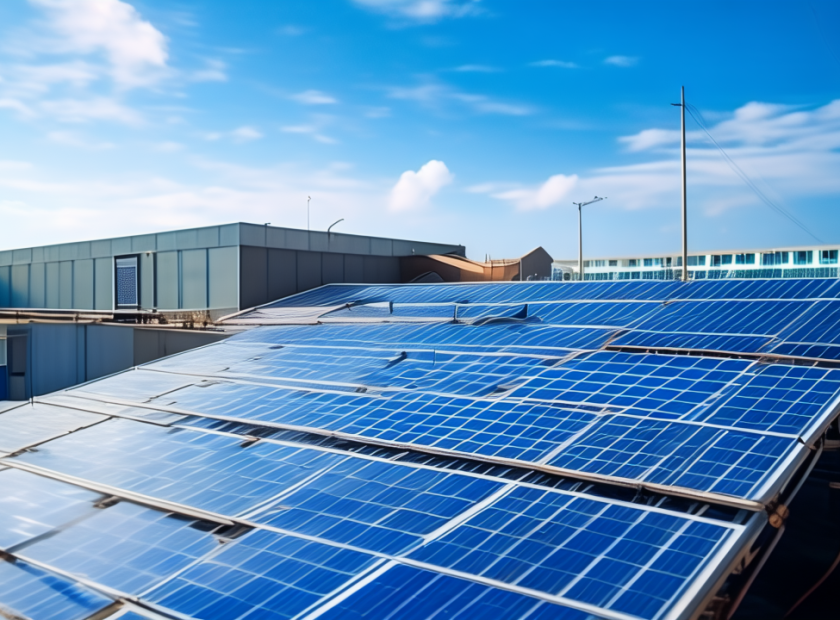


Solar + EV Fleet Management in Thailand 2026: Rooftop PV for Depot Charging, Delivery Routes, and Warehouse Operations
Electric vehicles are no longer a future topic for Thai businesses. Delivery vans, service fleets, forklifts, campus shuttles, and light-duty logistics vehicles are already appearing in more depots and industrial sites. When that happens, solar becomes more useful, not less.
The reason is simple: EV charging creates a new electricity load, and a lot of that load can be scheduled during the day. Rooftop PV can help offset that charging demand, especially in warehouses, depots, industrial estates, and business campuses with large roofs.
Why solar and EV fleets fit each other
Solar power peaks during the same hours when many fleets are parked, loading, unloading, or preparing for the next route. That means a business can use its roof to help charge vehicles while reducing purchased grid electricity.
- Delivery fleets: vans and light trucks often return to base between routes.
- Warehouse support vehicles: forklifts, tugs, and utility carts may charge in daylight windows.
- Shuttle fleets: campus or hotel shuttles can be scheduled around solar output.
What the solar opportunity looks like
In practice, the best projects are not about powering every mile from the roof. They are about reducing the cost of local depot charging and making the fleet more resilient to electricity price changes. Solar can help flatten the cost curve when the business is adding more EVs over time.
For a logistics operator, that may mean a rooftop PV system plus a few charger points. For a larger fleet, it may mean solar carports, load management software, and a charging plan tied to route schedules.
What managers should think about
- Charging schedule: Which vehicles can charge during the sunniest hours?
- Depot load: How much electricity does the site already use for lighting, HVAC, and handling equipment?
- Future growth: Will the EV fleet double, or stay small?
- Business model: Is the fleet owner also the roof owner?
Design choices that matter
A solar + EV fleet project works best when the electrical system is planned as one system, not two separate projects. Charger power rating, switchboard capacity, transformer size, and roof layout all matter. If the depot expects fleet growth, the initial design should leave room for more chargers later.
There is also a good opportunity for energy management software. Smart scheduling can delay charging until solar output is highest, which improves self-consumption and keeps demand from spiking too early in the day.
Where this is especially useful in Thailand
Logistics hubs, industrial estates, retail distribution centers, hotel shuttle operations, and multi-branch service businesses all have a natural fit. Any site with daytime parking, roof area, and recurring vehicle charging demand is worth a look.
Bottom line
Solar + EV fleet management is not just a sustainability story. It is an operating-cost story. If a business is going to buy more electric vehicles anyway, it makes sense to look at the roof and ask whether that energy can be produced on-site.
In Thailand, that question is becoming more practical every quarter.