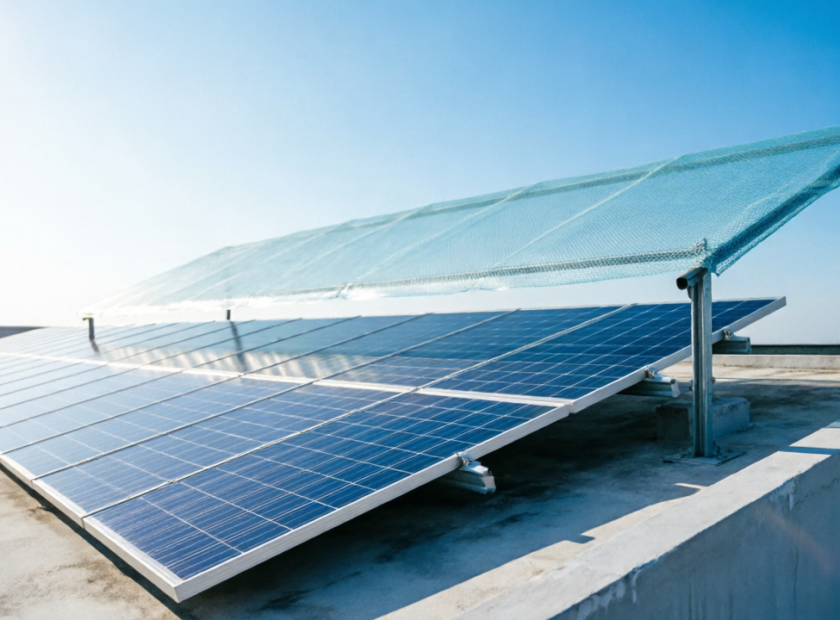


Solar for Agriculture Processing Facilities in Thailand 2026: Rooftop PV ROI for Drying, Cold Storage, Pumps, and Export Plants
Agriculture processing facilities sit in a very practical place for rooftop solar. They are often energy-heavy, roof-heavy, and cost-sensitive at the same time. In Thailand, that includes rice mills, cassava processors, fruit and vegetable packers, grain dryers, seed cleaning facilities, spice plants, cold stores, and export-oriented primary processing sites.
The solar logic is straightforward: many of these sites use electricity during the day for drying, pumping, sorting, refrigeration, ventilation, and packaging. That makes rooftop PV a good match for self-consumption, which is the part of the solar model that usually matters most in Thailand.
Why agricultural processing is a strong solar fit
Unlike a purely seasonal farm, a processing facility usually has repeating load patterns. Drying, sorting, washing, cold storage, and pumping all create predictable daytime demand. That makes it easier to size solar around real bills instead of guesswork.
- Drying load: paddy, cassava, fruit, herbs, spices, or grains often require steady power.
- Cold storage: cool rooms and pre-cooling systems run for long hours in hot weather.
- Pumps and handling systems: water movement, conveyors, and loaders are often daytime loads.
Where the savings come from
For many facilities, the main savings come from avoiding daytime grid purchases at commercial tariffs. A system sized well for the site can reduce operating cost without changing the production process. That matters because most processing owners do not want a solar project that makes life more complicated than it needs to be.
Good projects are designed around the plant’s rhythm: when the dryer runs, when the cold room cycles, when the pumps operate, and how much of the roof can be used safely.
What to check before sizing a system
- Monthly bills and load shape: look at peak demand, weekday use, and seasonality.
- Roof condition: many processing sites have older roofs that need structural review.
- Process timing: if the main loads run in daylight, self-consumption improves quickly.
- Export assumptions: do not count on high export value unless the commercial model supports it.
Commercial models that fit this sector
Self-investment works well for owners who want the asset and have the capital. EMC or PPA-style structures can work for businesses that want savings without a big upfront payment. A financed EPC approach is often the middle path for sites that want ownership but need to manage cash flow carefully.
For agriculture processing, the right choice often depends on seasonality. A business that has a strong harvest season may want a model that keeps payments flexible, while a year-round packer or cold-store operator may prefer full ownership.
Design details that matter
- Dust and dirt: processing environments can be dirty, so maintenance access matters.
- Waterproofing: leaks near product areas can be expensive.
- Motor loads: pumps and compressors may need careful electrical coordination.
- Load expansion: plan for future cold rooms or drying equipment if growth is likely.
Bottom line
Agriculture processing facilities are one of the most practical solar opportunities in Thailand because the business problem is simple: reduce electricity cost without disrupting production. Rooftop PV is usually strongest when it is built around real use, not maximum roof fill.
If the site has daytime load, stable operations, and enough roof area, solar deserves a serious look in 2026.