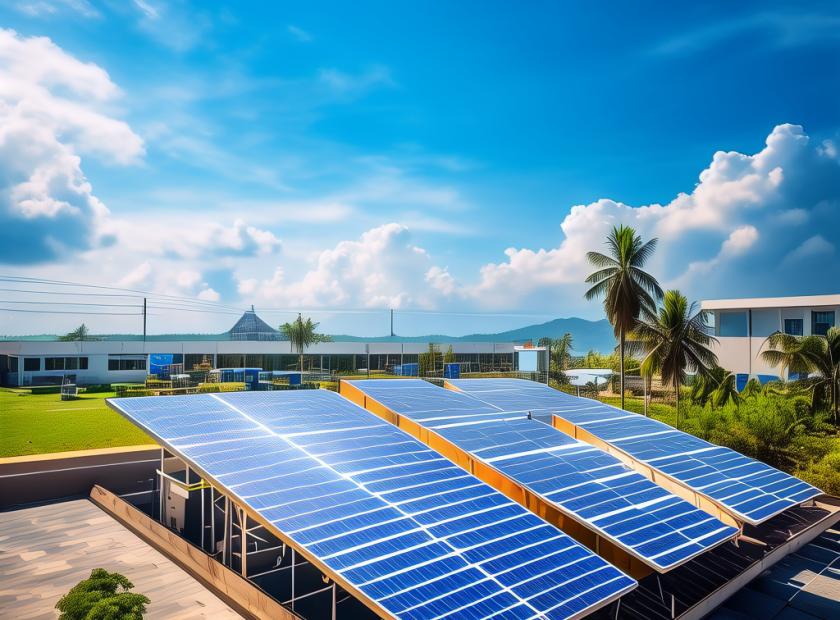


Thailand Automotive Industry Overview 2026
Thailand is the leading automotive manufacturing hub in Southeast Asia, accounting for over 80% of regional production. The industry produces approximately 2.5 million vehicles annually and employs over 500,000 people across more than 2,000 automotive and auto parts factories.
Key Automotive Clusters in Thailand
| Cluster | Location | Major Factories | Products |
|---|---|---|---|
| East Thailand Automotive Cluster | Chonburi, Rayong, Chachoengsao | Toyota, Honda, Mitsubishi | Passenger cars, pickup trucks |
| Central Thailand Automotive Cluster | Pathum Thani, Ayutthaya, Samut Prakan | BMW, Mercedes-Benz | Premium vehicles, luxury cars |
| Auto Parts Cluster | Samut Prakan, Nonthaburi, Chonburi | Bridgestone, Bosch, Denso | Tyres, electronics, components |
Electricity Consumption Patterns in Automotive Manufacturing
Automotive factories have high and steady electricity demand, primarily from:
1. Assembly Line Operations (35-45% of total load)
- Conveyors, robots, and automated assembly systems
- Continuous operation 24/7 for major manufacturers
- High demand for stable, reliable power
2. Paint Shops and Coating Processes (25-35% of total load)
- High-temperature curing ovens
- Ventilation and air handling systems
- Energy-intensive drying processes
3. EV Component Manufacturing (15-25% of total load)
- Battery cell production and testing
- Motor and inverter manufacturing
- Quality control and inspection systems
4. Lighting, HVAC, and Support Systems (10-15% of total load)
- Factory lighting and emergency systems
- HVAC for large production halls
- Compressed air and water systems
Thailand Automotive Industry Solar Case Study: Chonburi Assembly Plant
**Factory Profile:** Toyota Motor Thailand, Chonburi Plant
**System Size:** 2.2 MWp rooftop solar installation
**Investment:** THB 66 – 93 million
**Annual Generation:** 2.86 – 3.22 GWh
**Energy Savings:** THB 11.4 – 16.1 million per year
**ROI Period:** 4.5 – 6.5 years
Key Benefits for Toyota Chonburi:
- 38% of daytime electricity needs met by solar
- Reduced exposure to volatile grid electricity prices
- Positive ESG reporting for international customers
- Lower operational costs for export markets
Thailand Auto Parts Factory Solar Case Study: Samut Prakan Components Plant
**Factory Profile:** Denso Manufacturing Thailand, Samut Prakan
**System Size:** 850 kWp rooftop solar system
**Investment:** THB 25.5 – 36.6 million
**Annual Generation:** 1.11 – 1.25 GWh
**Energy Savings:** THB 4.4 – 6.3 million per year
**ROI Period:** 4.8 – 6.5 years
System Highlights:
- Optimized for peak demand during production hours
- Integrated with existing power management system
- Remote monitoring and predictive maintenance
- Supports customer sustainability requirements
ROI Calculator for Automotive Factories
| Monthly Electricity Bill (THB) | Recommended System Size (kWp) | Estimated Annual Savings (THB) | ROI Period (Years) |
|---|---|---|---|
| 500,000 – 800,000 | 250 – 400 | 2.0 – 3.2 million | 5.0 – 7.0 |
| 800,000 – 1,500,000 | 400 – 750 | 3.2 – 6.0 million | 4.8 – 6.5 |
| 1,500,000 – 3,000,000 | 750 – 1,500 | 6.0 – 12.0 million | 4.5 – 6.0 |
| 3,000,000+ | 1,500+ | 12.0+ million | 4.2 – 5.5 |
Thailand Automotive Industry Solar Policies and Incentives
BOI (Board of Investment) Incentives
- Corporate income tax exemption for 5-8 years
- Import duty exemption on solar equipment
- Capital goods tax reduction
- Land and building tax incentives
PDP2024 (Power Development Plan)
- Target: 35% renewable energy by 2037
- Solar capacity expansion to 20 GW
- Grid access and interconnection support
- Net metering and feed-in tariff schemes
Energy Efficiency Programs
- Thai Industrial Energy Efficiency Program (TIEP)
- Energy Management System (EnMS) certification
- Green Factory certification
- Energy audit and consulting services
Solar Solutions for Automotive Factories
1. Rooftop Solar PV Systems
- Most common solution for existing factories
- Ideal for factories with large rooftop area
- Quick installation with minimal disruption
- Scalable from 100 kWp to 5 MWp+
2. Ground-Mounted Solar Farms
- For factories with available land
- Larger capacity installations
- Fixed-tilt or tracking systems
- Better energy yield per kWp
3. Solar+Storage Solutions
- Battery storage for peak shaving
- Backup power for critical operations
- Time-of-use (TOU) tariff optimization
- Improved power quality and reliability
4. EPC vs PPA/PVC Models
| Model | Upfront Cost | O&M Responsibility | Risk | ROI Timeline |
|---|---|---|---|---|
| EPC (Self-Invested) | High | Customer | Low-Medium | 4-7 years |
| PPA (Power Purchase Agreement) | None | Developer | Low | Immediate savings |
| PVC (Property-Assessed Clean Energy) | None | Customer | Medium | 5-8 years |
Key Considerations for Automotive Factories
1. Roof Assessment and Load Capacity
- Structural integrity analysis
- Roof age and condition
- Future expansion plans
- Fire safety regulations
2. Production Schedule Integration
- Minimizing downtime during installation
- Maintenance scheduling
- Power quality requirements
- Backup power systems
3. Quality and Safety Standards
- ISO/IEC 17025 for testing
- OHSAS 18001 for safety
- TS 16949 for automotive quality
- Local Thai standards (TIS)
4. Environmental Compliance
- Waste management protocols
- Water usage and recycling
- Carbon footprint measurement
- ESG reporting requirements
Future Trends in Thailand Automotive Industry Solar
1. EV Battery Production Solar Integration
- Solar for battery manufacturing plants
- Clean energy for EV charging infrastructure
- Renewable energy for battery recycling
- Green hydrogen for heavy-duty transport
2. Smart Factory Digitalization
- IoT-enabled solar monitoring
- AI-based energy optimization
- Predictive maintenance algorithms
- Digital twin simulations
3. Circular Economy Practices
- Solar panel recycling programs
- Second-life battery storage
- Waste heat recovery
- Renewable energy credits (T-RECs)
Case Study: Thailand Automotive Industry Sustainability Report
According to a 2024 industry report:
- 68% of Thai automotive manufacturers have implemented or are planning solar projects
- 32% have already achieved 25% renewable energy usage
- 85% of export-oriented factories have solar requirements from customers
- Solar installations in automotive sector grew 45% in 2025
Conclusion
Thailand’s automotive and auto parts industry presents significant opportunities for solar power integration. With high electricity consumption, favorable policies, and increasing customer demand for sustainability, solar solutions offer compelling ROI and strategic benefits. The automotive sector’s shift towards electric vehicles further emphasizes the importance of renewable energy, creating long-term demand for solar and storage solutions in Thailand’s manufacturing heartland.